


Read time: 6 minutes
You can’t see it in the mirror. You can’t pinch it with your fingers. Yet this hidden fat surrounding your organs is a more powerful predictor of chronic disease risk than your weight, BMI, or the subcutaneous fat you can see.
After watching the Netflix documentary “You Are What You Eat“—which follows twins in a Stanford nutrition study using DEXA scans to track weight changes—I decided it was time to get my own data. The results confirmed what a decade of plant-based eating had already shown me through weight, skin health, energy, mood, and other clinical biomarkers like cholesterol and glucose: the choices I’ve made are working at the cellular level.
What Is Visceral Fat (And Why Your Scale Can’t Tell You About It)
Visceral fat is the deep abdominal fat that wraps around your stomach, liver, intestines, and other vital organs. Unlike subcutaneous fat—the layer just under your skin that you can see and feel—visceral fat is metabolically active tissue that behaves more like an endocrine organ than simple energy storage.
This distinction matters because visceral fat produces inflammatory compounds and hormones that directly impact your health. It’s entirely possible to have a “normal” weight or BMI while carrying dangerous levels of visceral fat. This is particularly common with diets high in processed foods and as part of the increased inflammation and metabolic disease more prevalent in older people—conditions that can be prevented or improved through lifestyle choices.
The Health Risks That Should Get Your attention
The research on visceral fat and chronic disease is overwhelming. Higher levels are linked to:
- Cardiovascular disease and increased mortality risk
- Type 2 diabetes and metabolic syndrome
- Dementia and cognitive decline
- Certain cancers, including breast and colorectal cancer
- Asthma and respiratory issues
As one comprehensive review noted: “Visceral fat increases the risk for development of chronic low-grade inflammation and is involved in the pathogenesis of numerous inflammatory medical conditions including metabolic syndrome, diabetes and cardiovascular disease, as well as being an important, independent predictor of all-cause mortality.”
Why this matters: abdominal fat accumulation is directly linked to shorter lifespan.
My DEXA Scan Results: A Decade of Plant-Based Eating in Action
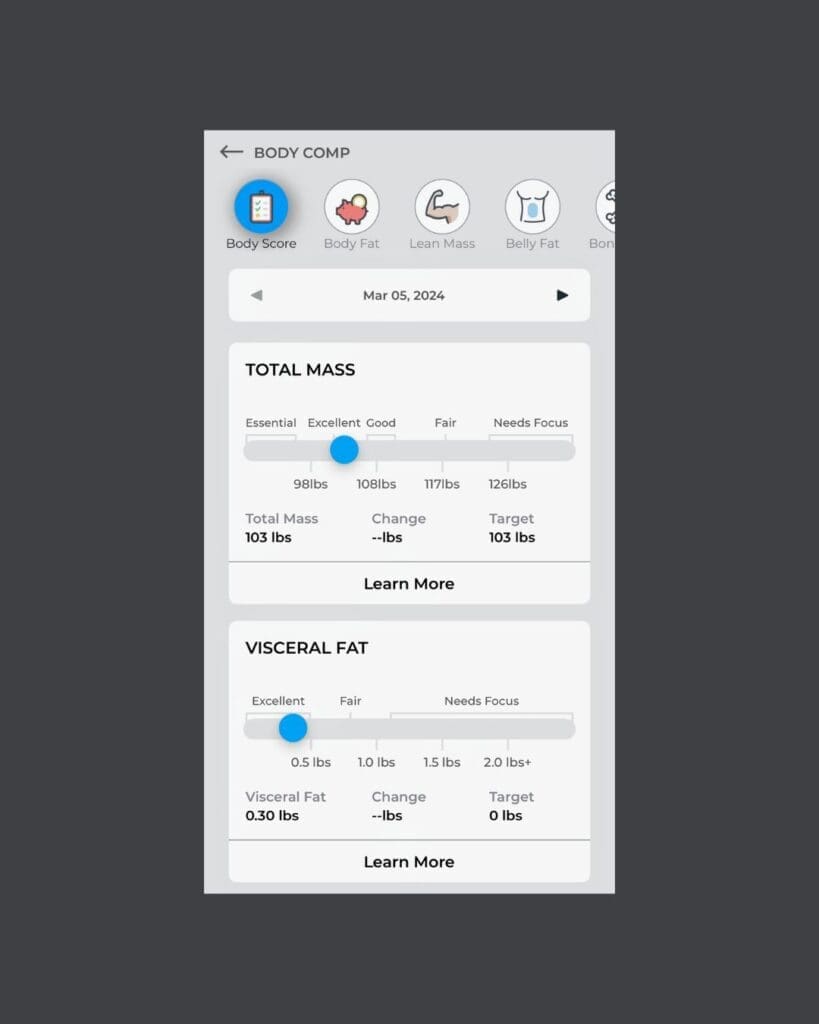
My visceral fat measured at 0.30 lbs—in the “Excellent” range according to the DEXA scan results. While healthy individuals typically have less than 1 kg for younger adults and 1-2 kg for older adults, my results reflect what happens when you prioritize nutrient-dense, anti-inflammatory foods for the long term.
This isn’t about genetics or luck. This is the measurable result of consistent choices over time—the same 4 data-driven habits that made me 9.8 years younger that I’ve detailed previously.
The Foods That Fight Visceral Fat
The research is clear on which dietary patterns reduce visceral fat and which increase it:
Protective foods (associated with lower visceral fat):
- Fruits and vegetables
- Whole grains and fiber-rich foods
- Legumes and nuts
Risk factors (associated with higher visceral fat):
- Fried foods and processed fats
- Sugar-sweetened beverages
- Refined grains
- Red and processed meats
- Alcohol
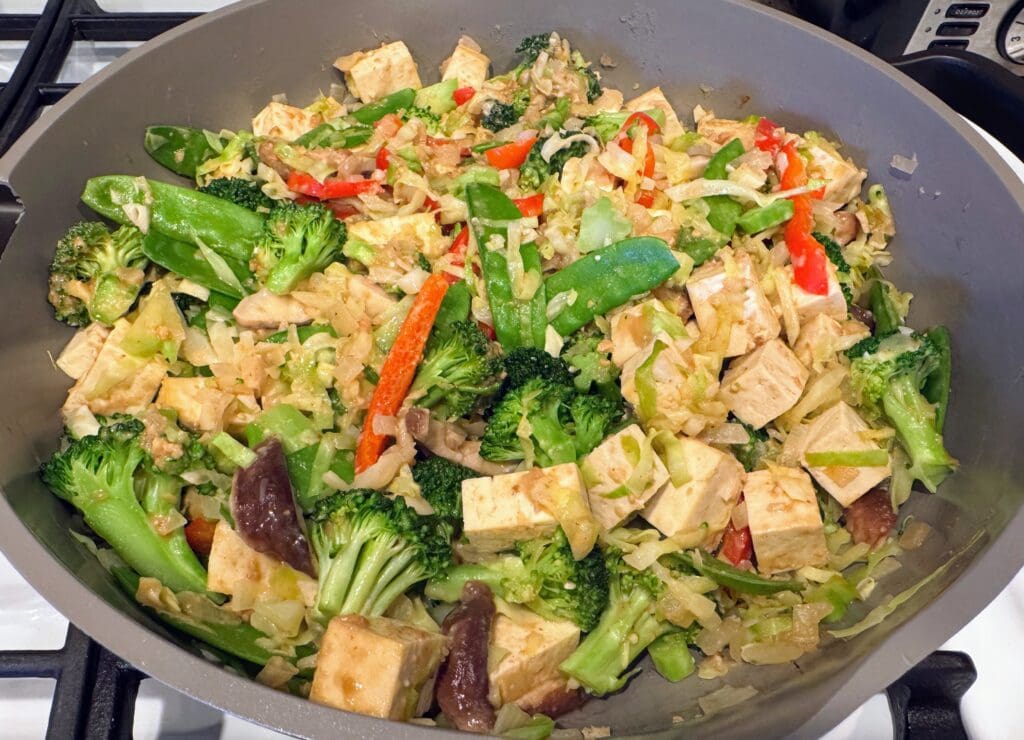
Notice the pattern? The foods that reduce visceral fat are exactly what you’d expect—whole, nutrient-dense foods that support your body’s natural functions.
Diet vs. Exercise: What Actually Works
While both diet and exercise can reduce visceral fat, the research shows that weight loss of 6-7% through dietary changes alone significantly reduces both subcutaneous and visceral fat. Adding exercise to dietary changes provides additional benefits for subcutaneous fat reduction, but diet appears to be the primary driver for visceral fat loss.
This aligns with my personal experience. I achieved most of my health improvements—including optimal biomarkers, weight management, and sustained energy—through dietary changes before adding consistent exercise to my routine.
Your Visceral Fat Assessment Tool (No DEXA Required)
While DEXA scans provide the most accurate measurement (I used DexaFit for $179—check if there’s a location near you), waist circumference is a reliable, free indicator of visceral fat levels:
Higher risk measurements:
- Women: Waist circumference over 35 inches
- Men: Waist circumference over 40 inches
Measure at the narrowest point of your waist, typically just above your hipbones, without pulling the tape tight. Keep in mind that waist circumference, while reliable, isn’t perfect—two people with the same waist measurement can have different amounts of visceral fat.
The Strategic Approach to Visceral Fat Reduction
Based on the research and my own experience, here’s the most effective approach:
Start with nutrition foundation: Focus on increasing whole plant foods at each meal rather than restricting calories. The nutrient density and fiber content of these foods naturally support healthy body composition.
Prioritize anti-inflammatory foods: Emphasize colorful fruits and vegetables, legumes, whole grains, nuts, and seeds—foods rich in the polyphenols and fiber that research shows protect against visceral fat accumulation.
Reduce processed food exposure: Minimize refined sugars, processed fats, and ultra-processed foods that research consistently links to increased visceral fat.
Add strategic movement: While diet does the heavy lifting, regular physical activity accelerates results and provides additional metabolic benefits.
Why This Data Matters for Your Health Strategy
Visceral fat represents one of the clearest examples of how food choices directly impact disease risk. Unlike genetic factors you can’t control, visceral fat responds predictably to dietary changes—giving you concrete evidence that your efforts are working at the cellular level.
The foods that reduce visceral fat are the same ones that support cognitive function, cardiovascular health, and longevity. This isn’t about achieving a certain look—it’s about building the internal health foundation that allows you to perform at your best for decades to come.
Ready to turn this knowledge into action? Start by adding one serving of vegetables to each meal this week and notice how you feel. Small, consistent changes compound into significant health improvements over time.
Thanks for reading!
Like this post? The newsletter is the blog, plus. Subscribe to You Are What You Read — one email a month on redefining your Next 50. Only what works.
References & Additional Reading
- Harvard Health Publishing. (2021). Taking aim at belly fat. Harvard Medical School. https://www.health.harvard.edu/staying-healthy/taking-aim-at-belly-fat
- Cleveland Clinic. (2024). Visceral fat. https://my.clevelandclinic.org/health/diseases/24147-visceral-fat
- Chu, D. T., Minh Nguyet, N. T., Dinh, T. C., et al. (2019). An update on physical health and economic consequences of overweight and obesity. Diabetes & Metabolic Syndrome, 13(2), 1095-1100. https://www.ncbi.nlm.nih.gov/pmc/articles/PMC8506854/
- Kuk, J. L., Katzmarzyk, P. T., Nichaman, M. Z., et al. (2006). Visceral fat is an independent predictor of all‐cause mortality in men. Obesity, 14(2), 336-341. https://pubmed.ncbi.nlm.nih.gov/20703052/
- Ghadieh, H. E., Smiley, Z. N., Kopfman, M. N., et al. (2022). The effect of diet and exercise on visceral adiposity: A systematic review. BMC Public Health, 19(1), 297. https://bmcpublichealth.biomedcentral.com/articles/10.1186/s12889-019-6510-1
- Gepner, Y., Shelef, I., Schwarzfuchs, D., et al. (2018). The beneficial effects of Mediterranean diet over low-fat diet may be mediated by decreasing hepatic fat content. Journal of Hepatology, 68(1), 55-64. https://www.ncbi.nlm.nih.gov/pmc/articles/PMC9523931/
Image credits: Photo by Andres Ayrton
This post does not constitute medical advice. Please consult with your healthcare provider regarding your specific health needs.