


Read time: 6 minutes
Last week, I shared how my second DEXA scan revealed a wake-up call: despite thinking I was on track, I’d lost a pound of muscle in just six months. Seven months later, my third scan showed I’d not only reversed that loss but gained 2 pounds of lean mass, exceeding my original baseline.
The difference? A three-stage approach to evidence-based problem solving: first, the data showed me what was actually happening. Then I identified trusted, evidence-based experts and took time to understand their research and recommendations. Finally, I created an implementation plan tailored to my specific needs and lifestyle constraints.
If you’re over 40 and want to build or maintain muscle mass, here’s exactly what I changed—and why each intervention matters for my results. While your specific implementation plan may look different based on your starting point, lifestyle, and data, understanding the evidence behind these changes can help inform your own strategic approach.

Change #1: Pre-Workout Fuel (No More Fasted Exercise)
What I changed
I eat 1/3 to 1/2 cup of dry roasted, oil-free soybeans before every Bar Method class, even my 8:00am sessions when I have no appetite.
Why it worked
The combination of higher body fat percentage and muscle loss from my first to second scan pointed to one likely culprit: elevated cortisol from doing muscle-intensive exercise without fuel. When you exercise in a fasted state, your body treats it as a stressor, releasing cortisol to break down muscle tissue for energy.
Men: fasted workouts may not be an issue for you, as women’s physiology responds more strongly to exercise stress with cortisol-driven fat storage.
The implementation
I don’t get up any earlier—I eat the soybeans on my way to class. I chose soybeans specifically for their unique nutritional profile: high fiber, high protein, and lower in fat, making them easy to digest while providing the benefits of both protein and fiber. The key is choosing easily digestible food when eating close to workout time, because digestion requires significant energy that you also need for exercise performance.
Why this matters
Your body needs readily available energy to build muscle during resistance training. Without it, you’re essentially asking your body to tear down existing muscle to fuel the workout—the opposite of what you want.
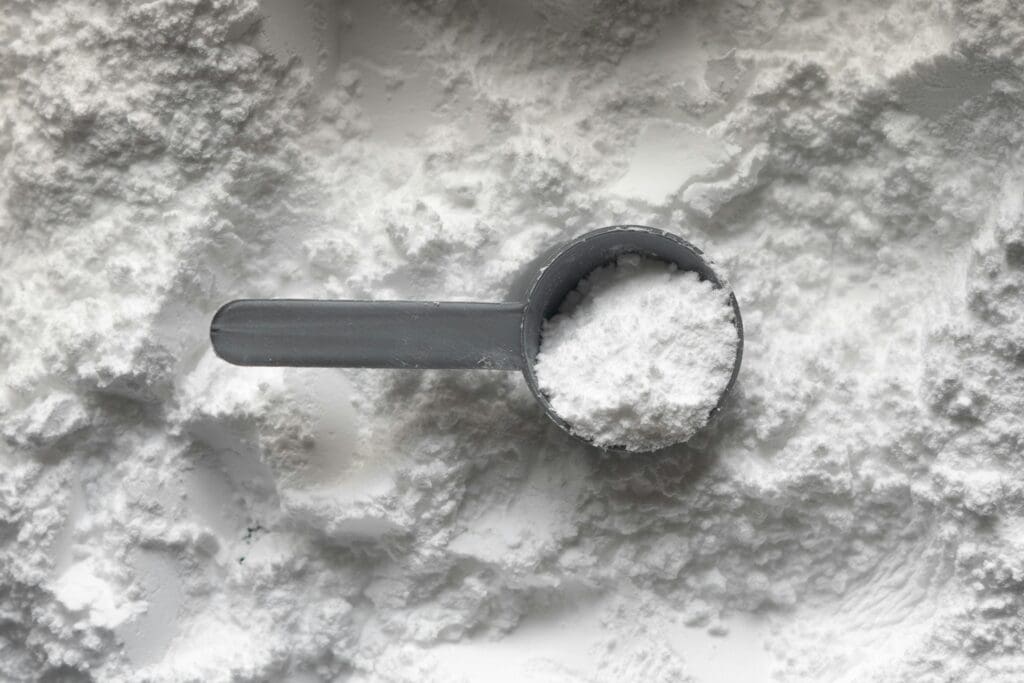
Change #2: Creatine Supplementation
What I changed
I add 5g of creatine powder to 8 ounces of water most days after workouts, using a high-quality powder by Thorne.
Why it works
Creatine increases your muscles’ ability to produce energy during high-intensity exercise, allowing for better performance and recovery. Research shows it can increase muscle mass, strength, and power output while supporting brain health and reducing fatigue. While creatine has historically been associated with bodybuilding, research shows benefits for anyone doing regular resistance training—not just elite athletes.
The reality check
I’ll be honest—I don’t enjoy taking it. It doesn’t digest easily for me and often causes bloating. Not everyone will have this issue, as sensitivity varies by person.
The timing insight
When you take creatine doesn’t matter as much as consistency. The goal is building up your body’s creatine stores over time, not timing it perfectly around workouts.
Important note: Talk to your healthcare provider before starting creatine, especially if you have kidney disease, liver disease, diabetes, or bipolar disorder, as creatine may not be appropriate for everyone.

Change #3: Consistent Protein Strategy
What I adjusted
While protein exists in all plant foods, my workout intensity demanded I become more mindful about getting concentrated sources like tofu and beans into my body daily.
Why this matters
To be clear, I’m not joining the protein obsession trend. I became more mindful of protein specifically because I’m doing intensive strength training six days a week—my body needs it for muscle recovery and growth. If you’re not doing resistance training or doing it inconsistently, focusing on protein isn’t your priority. But when you’re consistently challenging your muscles through resistance training, adequate protein intake becomes critical for muscle protein synthesis.
The plant-based advantage
Eating a variety of protein sources (tofu, beans, vegetables, grains, nuts, seeds) throughout the day ensures you get adequate amounts of all nine essential amino acids, including leucine which is particularly important for muscle building. This approach also delivers fiber, antioxidants, and other health-supporting compounds that isolated protein powders can’t match.
What the Research Says
These changes align with established exercise physiology:
Pre-workout nutrition helps maintain blood glucose levels and reduces cortisol response during exercise, supporting muscle preservation and performance.
Creatine supplementation has decades of research showing benefits for strength, power, and muscle mass—not just for bodybuilders, but for anyone doing resistance training.
Adequate protein intake isn’t an issue for most people eating adequate calories—it primarily becomes relevant for those doing consistent resistance training several days per week or those on very low-calorie diets. Research suggests 0.8-1.2g per kg (not pounds) of body weight for active adults, with potentially higher needs for those doing regular strength training.
Your Assessment Strategy
Before making any changes, evaluate where you are now and whether muscle building aligns with your goals. As I discussed in last week’s post, maintaining and building muscle isn’t about aesthetics—it’s about metabolic health, chronic disease prevention, daily life strength, cognitive function, and longevity.
If you’re doing resistance training consistently: Track your progress through strength benchmarks, functional measures, or body composition analysis to see if your current approach is working.
If you’re exercising fasted: Consider that fasted exercise can trigger cortisol responses that may work against muscle building goals, even if you feel fine during workouts. The impact shows up in body composition over time, not immediate energy levels.
If you’re interested in muscle building: Evaluate whether your protein intake matches your training intensity, and consider whether evidence-based supplements like creatine align with your goals and health status.
The key principle: Measure first, then adjust based on what your data shows you, not assumptions about what should be working.
The Bigger Picture
These weren’t revolutionary changes—they were targeted adjustments based on evidence and data. The key insight is that small, strategic modifications can create significant results when you’re tracking what matters.
Having objective measurements allowed me to course-correct quickly instead of wasting months on ineffective strategies.
Start here
- Set a 3-month strength goal.
- Write down 3 evidence-based actions you plan to take to reach it.
Thanks for reading!
Like this post? The newsletter is the blog, plus. Subscribe to You Are What You Read — one email a month on redefining your Next 50. Only what works.
References & Additional Reading
- Effects of creatine supplementation on muscle strength and body composition
- Creatine supplements: Uses, side effects, and safety
- Why Fasting Doesn’t Work for Active Women
- Protein requirements and supplementation in strength sports
Image credits: Photo by Maksim Goncharenok, HowToGym on Unsplash
This post does not constitute medical advice. Please consult with your healthcare provider regarding your specific health needs.