


Read time: 5 minutes
Your doctor says your cholesterol is “in range.” But here’s what they might not tell you: when it comes to cholesterol, lower isn’t just better—it’s protective.
Dr. Joel Kahn is a preventive cardiologist who’s spent decades studying heart health. In a recent podcast, he mentioned red yeast rice—a fermented rice supplement you’ve probably never heard of (I hadn’t!) that functions like a natural statin.
My cholesterol is in the normal range—full credit to whole plant foods and moderate exercise. But if better results were possible, I wanted to know. Could red yeast rice lower my cholesterol?
Six months and two blood tests later, the results were clear. Here’s why it matters, how red yeast rice works, and what happened when I added Cholest-900 to my routine.
Why Cholesterol Matters
Cholesterol plays a central role in cardiovascular disease, which remains the leading cause of death in the United States. While your doctor might tell you that your numbers are fine if they fall within standard ranges, research shows that optimal cholesterol levels sit well below what’s considered “normal.”
This hits close to home. I have a first-degree family history of heart disease and high Lp(a) cholesterol—a genetic form that increases cardiovascular risk. I can’t risk “normal.” I need optimal.
The question became: what tools are available to get there?

What Red Yeast Rice Is (And How It Works)
Red yeast rice is rice fermented with a type of yeast called Monascus purpureus. It’s another example (think kimchi and sauerkraut) of fermentation’s remarkable power to create beneficial compounds.
During fermentation, the yeast enriches the rice with substances called monacolins, including monacolin K. Here’s the interesting part: monacolin K is structurally identical to lovastatin, the active ingredient in prescription statin medications.
According to the National Center for Complementary and Integrative Health, red yeast rice products with substantial amounts of monacolin K can effectively lower blood cholesterol levels, blood glucose levels, and blood pressure. Research also shows they may reduce the risk of heart problems and death in people with metabolic syndrome—a cluster of conditions that raise the risk of heart disease, diabetes, and stroke.
In other words, this isn’t just about cholesterol. The benefits extend to multiple markers of cardiovascular and metabolic health.
My 6-Month Experiment
I started taking one Cholest-900 capsule daily in March. Routinely scheduled blood work gave me clear before and after measurements.
March 19, 2025 (Before):
- Total Cholesterol: 165 mg/dL
- LDL (Low-Density Lipoprotein): 101 mg/dL
- HDL (High-Density Lipoprotein): 51 mg/dL
- Triglycerides: 64 mg/dL
- VLDL (Very Low-Density Lipoprotein): 13 mg/dL
- Glucose: 88 mg/dL
September 24, 2025 (After 6 months):
- Total Cholesterol: 149 mg/dL (↓16 points)
- LDL: 91 mg/dL (↓10 points)
- HDL: 48 mg/dL (↓3 points)
- Triglycerides: 45 mg/dL (↓19 points)
- VLDL: 10 mg/dL (↓3 points)
- Glucose: 83 mg/dL (↓5 points)
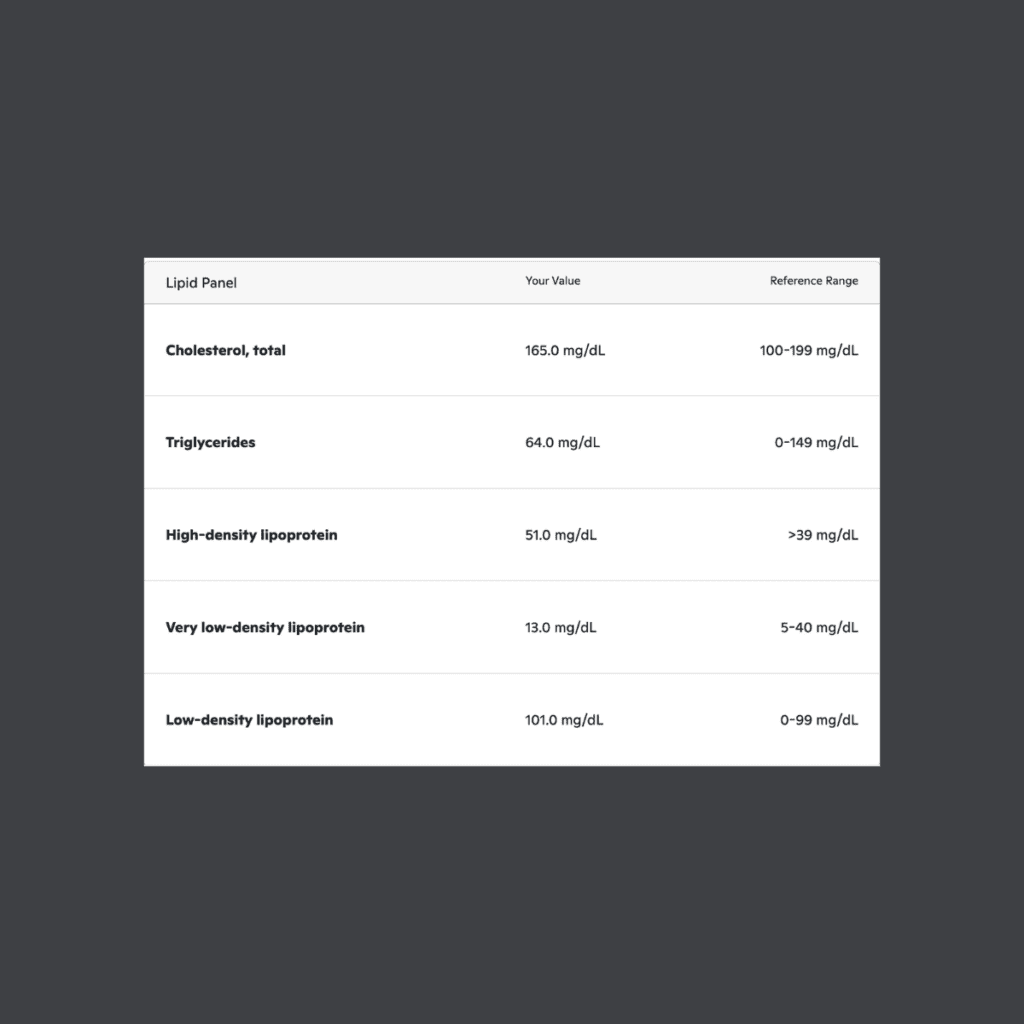
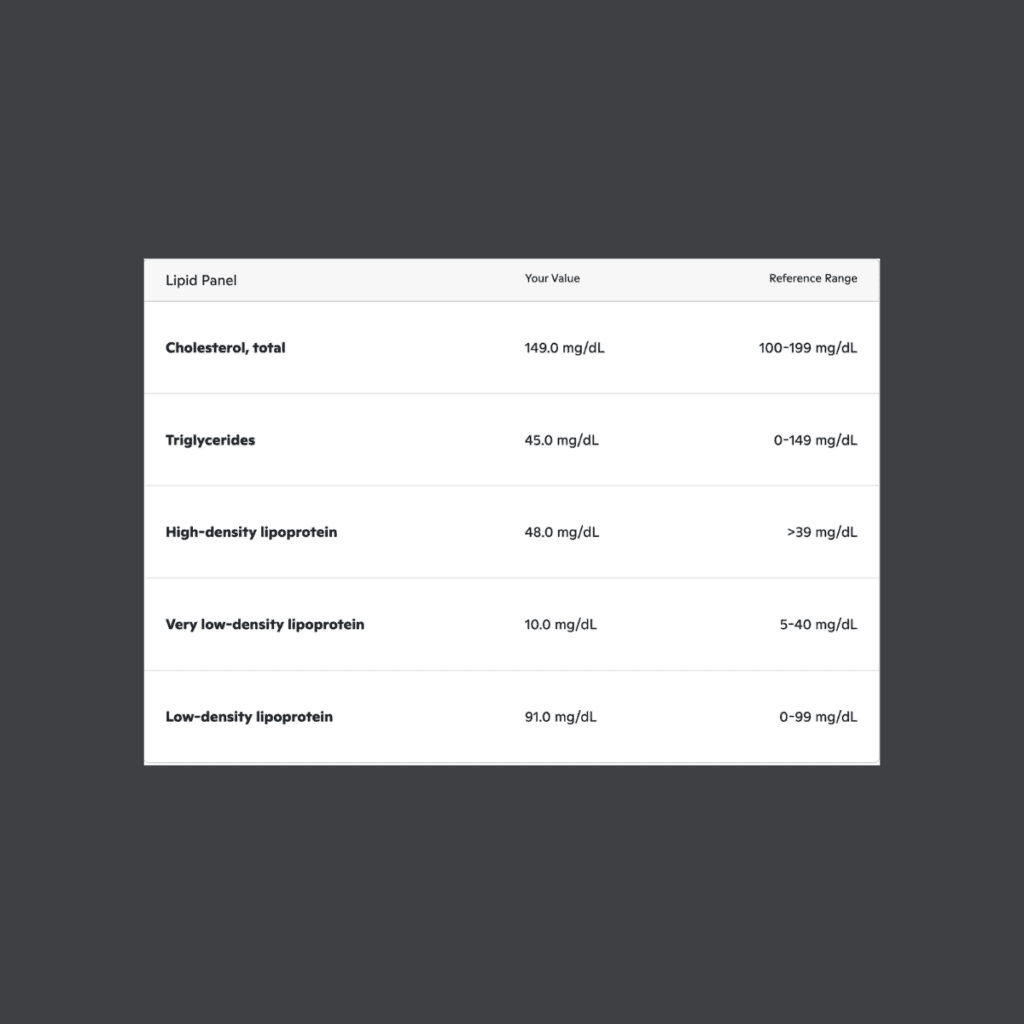
My total cholesterol dropped 16 points, LDL decreased by 10 points, and triglycerides fell by 19 points—all moving in the right direction. My HDL decreased slightly by 3 points, which isn’t ideal since higher HDL is protective. The cause of my HDL drop is unclear, but likely unrelated to red yeast rice.
My fasting glucose also improved, dropping from 88 to 83 mg/dL.
Important context: I maintained my whole food plant-based diet throughout this period and kept my exercise routine consistent. The supplement was the single variable I added. This isolation of variables matters when you’re trying to understand what’s actually creating change.
I’m still taking Cholest-900 daily and may experiment with twice-daily dosing to see if it drives further improvement.
Supplements Don’t Work Alone
Did I want to add another supplement to my routine? Not really. My preference is always food first: the research is clear that whole food sources are more bioavailable and effective when you can get what you need from diet. But we live modern lifestyles that create physiological challenges our bodies weren’t designed for.
Sometimes additional support is necessary.
Red yeast rice is a tool in your heart health toolkit. It’s not a replacement for eating well or moving your body. It’s strategic support that works alongside the foundational practices that matter most.
Safety Considerations
Before you rush to order red yeast rice, understand these critical safety points:
Red yeast rice products can have the same types of drug interactions as statin medications. If you’re taking other medications, particularly statins, consult your healthcare provider before adding this supplement.
Quality matters. Some red yeast rice products contain a contaminant called citrinin, which is toxic and can damage your kidneys. This contamination can occur even in products labeled as “citrinin-free.” Choose brands carefully and look for third-party testing verification.
This isn’t medical advice—it’s education about an option that worked for me. Your situation, risk factors, and health history are unique. Discuss red yeast rice with your healthcare provider to determine if it’s appropriate for you.
Looking for more ways to support your cardiovascular health? Check out my previous posts: the mineral 98% of Americans are missing, what is a calcium score and why it matters, and the 10-minute test that predicts your heart disease risk.
The Bottom Line
Red yeast rice is an evidence-based tool for cardiovascular health that most people have never heard of. My six-month experiment showed measurable improvement with daily use.
If lowering your cholesterol is necessary—whether you’re above range or targeting optimal levels—now you know this tool exists.
The physicians I follow are clear: lower cholesterol equals better outcomes. Red yeast rice is one evidence-based tool for getting there.
Thanks for reading!
Like this post? The newsletter is the blog, plus. Subscribe to You Are What You Read — one email a month on redefining your Next 50. Only what works.
References & Additional Reading
- National Center for Complementary and Integrative Health. Red Yeast Rice. https://www.nccih.nih.gov/health/red-yeast-rice
- Heber D, Yip I, Ashley JM, et al. Cholesterol-lowering effects of a proprietary Chinese red-yeast-rice dietary supplement. Am J Clin Nutr. 1999;69(2):231-236. https://pubmed.ncbi.nlm.nih.gov/9989685/
- Greger, M. (2016). What’s the Optimal Cholesterol Level? NutritionFacts.org. https://nutritionfacts.org/blog/whats-the-optimal-cholesterol-level/
- PlantStrong Podcast. Episode with Dr. Joel Kahn: Heart Health and Preventive Cardiology. https://www.plantstrongpodcast.com/blog/joel-kahn-md
Image credit: Nina Uhlikova
This post does not constitute medical advice. Please consult with your healthcare provider regarding your specific health needs.