


Read time: 5 minutes
When people ask me what they should add to their diet for maximum impact with minimal effort, seeds are always near the top of my list. Not because they’re trendy—because they deliver serious nutritional benefits with almost zero time investment.
These aren’t foods that come in a box with a health claim slapped on the label. Seeds have been nourishing humans for thousands of years.
Harvard Medical School is clear: vitamins and minerals are most potent when they come from food, not supplements. Seeds are among the most mineral-dense foods you can eat.
Here are my top three seeds, why they matter, and how I use them without adding another item to my to-do list.
These three seeds aren’t new discoveries—humans have been eating them for 5,000-7,500 years. The Aztecs and Mayans relied on chia (which means “strength” in Mayan). Asian cultures have used black sesame seeds for millennia. Archaeological evidence shows pumpkin seeds were cultivated in Mexico over 7,500 years ago.
My Top 3 Seeds
Chia Seeds
Nutrition:
- Omega-3 powerhouse. One of the richest plant-based sources of omega-3 fatty acids (ALA)
- Packed with minerals. Two tablespoons provide 41% of your RDA for iron, plus substantial amounts of calcium, copper, magnesium, manganese, phosphorus, selenium, and zinc
- High in fiber. 7 grams of fiber in just two tablespoons
- Protein? Check. 3 grams of protein in the same two tablespoons
Omega-3 and omega-6 are essential fatty acids that regulate inflammation in your body. Omega-6 promotes inflammation (necessary for fighting infection), while omega-3 resolves it—when the ratio tips too heavily toward omega-6, chronic inflammation contributes to cardiovascular disease, cancer, and diabetes.
The Western diet—heavy on processed foods—has shifted the omega-6 to omega-3 ratio from our evolutionary 1:1 to a staggering 20:1 or worse.
Look for raw, high quality chia seeds like Terrasoul.
How I use chia seeds:
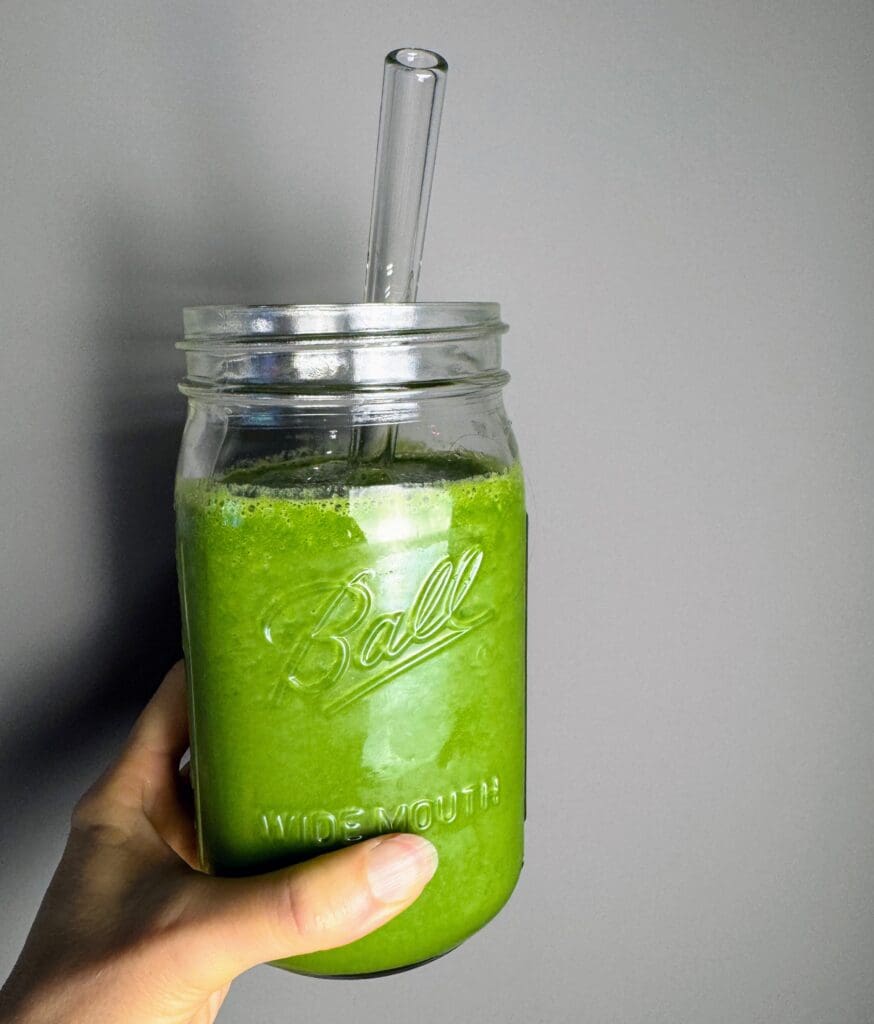
This is the one seed that requires an extra step—chia and flax seeds should be freshly ground to unlock their omega-3 benefits. I keep a small coffee grinder dedicated to seeds and grind what I need right before use. I add ground chia to:
- Smoothies (toss in the bottom of the blender before adding your veggies and fruit)
- Oatmeal (add after cooking)
- Unsweetened plant yogurt (sprinkle on top)
The grinding takes 30 seconds. That’s it.
Black Sesame Seeds
Nutrition:
- Packed with minerals. One tablespoon delivers 41% of your RDA for copper, as well as significant amounts of calcium, iron, magnesium, manganese, phosphorus, and zinc—all from a single tablespoon.
- Antioxidant-rich: Contains lignans and other bioactive compounds with antioxidant properties, which help protect the body against oxidative stress, support immune function, and improve skin health.
Look for raw, high quality black sesame seeds like Terrasoul.
How I use sesame seeds:
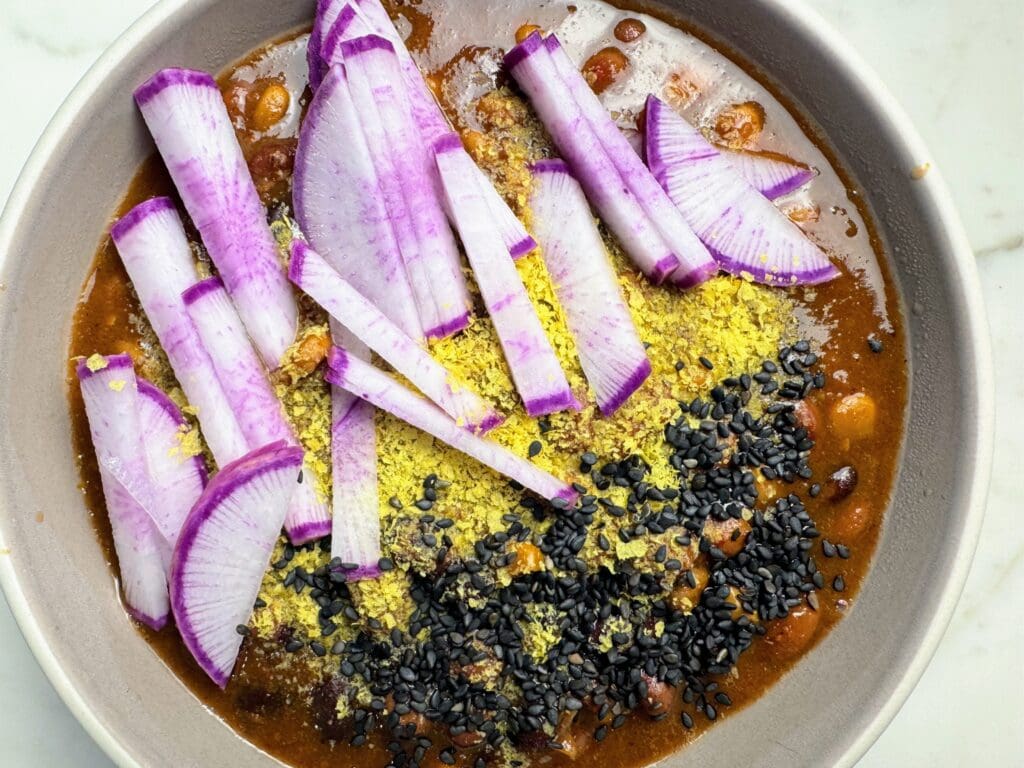
Zero preparation required. I simply sprinkle black sesame seeds directly on:
- Overnight oats (stir in with the rest of your ingredients)
- Cooked grains (rice, quinoa, barley)
- Soups and stews
- Salads
They add a subtle nutty flavor and a pleasant crunch. No grinding, no cooking—just sprinkle and eat.
Pumpkin Seeds
Nutrition:
- Protein powerhouse. Two tablespoons provide 6 grams of protein with all essential amino acids
- Packed with minerals. Two tablespoons deliver 39% of your RDA for manganese, plus significant amounts of magnesium, copper, iron, phosphorus, and zinc.
- Sleep support. Contain tryptophan, which your body converts to serotonin and then melatonin
Look for raw, unsalted pumpkin seeds like Terrasoul or Micro Ingredients.
How I use pumpkin seeds:
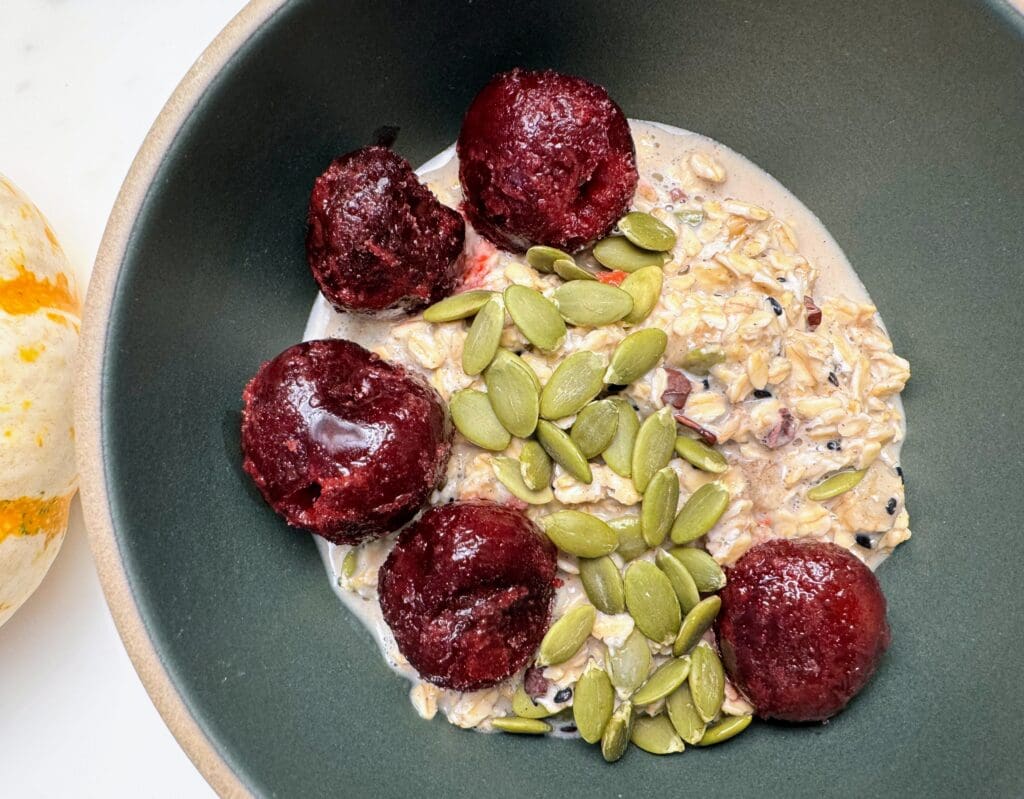
Like black sesame seeds, pumpkin seeds require zero prep time. I add them to:
- Overnight oats (stir in with the rest of your ingredients)
- Salads (they add great texture)
- Soups and stews (top after cooking)
- Or eat them solo as a quick snack
Buy them, keep them in your pantry, sprinkle them on food.
My Zero-Thought System
I keep all three seeds in clear glass jars in my fridge where I can see them. The rule is simple: I don’t make a smoothie without adding chia or flax seeds. I don’t eat whole grains without adding black sesame seeds. I don’t eat oats without adding pumpkin seeds.
That’s it. No decision fatigue. No overthinking what goes where.
The Real ROI: Time vs. Benefit
Let’s be honest about what this actually costs you: buying three containers of seeds and remembering to use them.
I used to view seeds as a garnish—something decorative you sprinkle on top. Now that I understand their nutritional value, they’re a staple in my kitchen. They’re the easiest, most consistent nutrition upgrade I’ve made.
A tablespoon or two sprinkled on food you’re already eating adds healthy fats, fiber, protein, vitamins, and minerals.
That’s the barrier. Not complicated recipes. Not meal planning. Not hours in the kitchen.
This is what fueling your Next 50 looks like: choosing nutrient-dense whole foods that humans have been eating for thousands of years, and making them so easy to incorporate that you can do it consistently.
No health claims from marketing departments. Just real food that works.
Thanks for reading!
Like this post? Get more. Subscribe to You Are What You Read — one email a month on redefining your Next 50. Only what works.
References & Additional Reading
- National Institutes of Health, PMC. “The Chemical Composition and Nutritional Value of Chia Seeds—Current State of Knowledge.” https://pmc.ncbi.nlm.nih.gov/articles/PMC6627181/
- National Institutes of Health, PMC. “Sesame (Sesamum indicum L.): A Comprehensive Review of Nutritional Value, Phytochemical Composition, Health Benefits, Development of Food, and Industrial Applications.” https://pmc.ncbi.nlm.nih.gov/articles/PMC9573514/
- National Institutes of Health, PMC. “Nutritional Value, Phytochemical Potential, and Therapeutic Benefits of Pumpkin (Cucurbita sp.).” https://pmc.ncbi.nlm.nih.gov/articles/PMC9182978/
- National Institutes of Health, PubMed. “The importance of the ratio of omega-6/omega-3 essential fatty acids.” Biomedicine & Pharmacotherapy, 2002. https://pubmed.ncbi.nlm.nih.gov/12442909/
- Harvard Health Publishing. “Get nutrients from food, not supplements.” Harvard Medical School, 2015. https://www.health.harvard.edu/press_releases/get-nutrients-from-food-not-supplements
Image credit: MM FREEDOM TRADING INC on Unsplash
This post does not constitute medical advice. Please consult with your healthcare provider regarding your specific health needs.