


Read time: 5 minutes
Last week, I shared that I’ve been wearing a continuous glucose monitor (CGM) since April 23. I’m using the Stelo CGM, which lasts for 14 days. I showed how my morning smoothie with plenty of fruit maintained stable blood sugar levels. This week, I’m sharing even more data from my CGM experiment, specifically what happened during other meals, when I ate foods including brown rice, buckwheat bread, oatmeal, potatoes, and pasta.
Spoiler alert: my glucose level never exceeded 140 mg/dL. For context, 70-140 mg/dL is the recommended range for people who don’t have diabetes.
Let’s dive into the data!
Test #1: Brown Rice with Tofu Veggie Stir Fry
Meal Description
This meal included brown rice cooked on the GABA setting, Wildwood super firm tofu seasoned with Bragg’s liquid aminos, garlic and onion powders, fresh broccoli, shitake mushrooms, sugar snap peas, garlic, celery, onion, and green cabbage.
The sauce contained single-ingredient peanut butter, miso paste, dark maple syrup, Bragg’s liquid aminos, fresh grated ginger, and fresh lime juice.
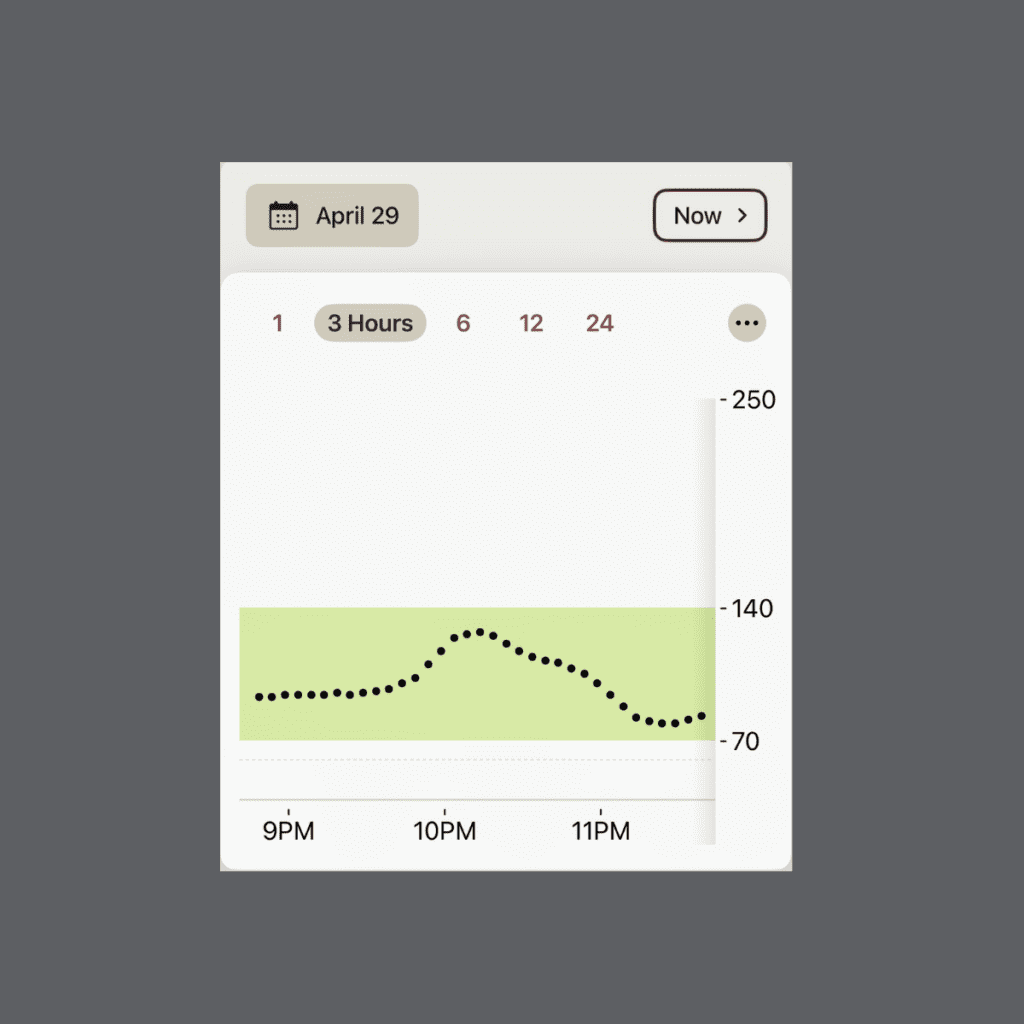
Blood Sugar Results:
- Peak glucose: 127 mg/dL at 10:13pm
- Return to baseline: 45 minutes → 100 mg/dL at 10:58pm
Key Insight:
Nothing concerning as a result of the brown rice. My blood sugar peaked well within normal range at 127 mg/dL and returned to baseline levels in less than 1 hour.
Test #2: Red Lentil Pasta with Steamed Broccoli
Meal Description:
This meal contained red lentil pasta (single ingredient: red lentil flour), fresh steamed broccoli, onions, garlic, mushrooms and passata sauce (oil and sugar-free).
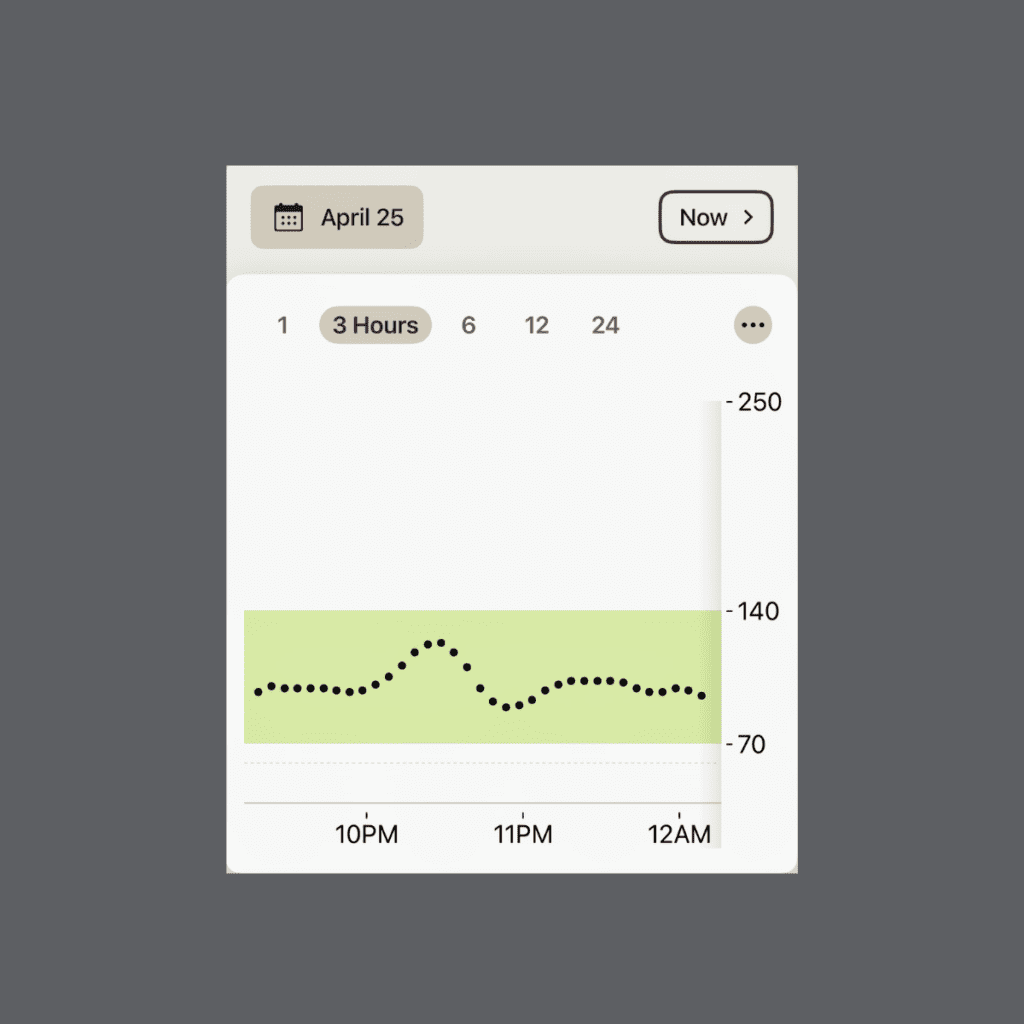
Blood Sugar Results:
- Peak glucose: 123 mg/dL at 10:28pm
- Return to baseline: 15 minutes → 99 mg/dL at 10:43pm
Key Insight:
My blood sugar peaked at just 123 mg/dL after eating lentil pasta and returned to baseline in record time, just 15 minutes.
Test #3: Ethiopian Cabbage, Potato and Carrot Dish (Atakilt Wat)
Meal Description:
Green cabbage and potatoes are favorites in my family, either as individual ingredients or as part of a recipe.
This flavorful dish featured cabbage, potatoes, carrots, onion, fresh ginger and garlic with 8 different dried spices. I used 1 teaspoon of olive oil (less than the recipe calls for) for the entire dish to incorporate the spices with the garlic, ginger and onion.
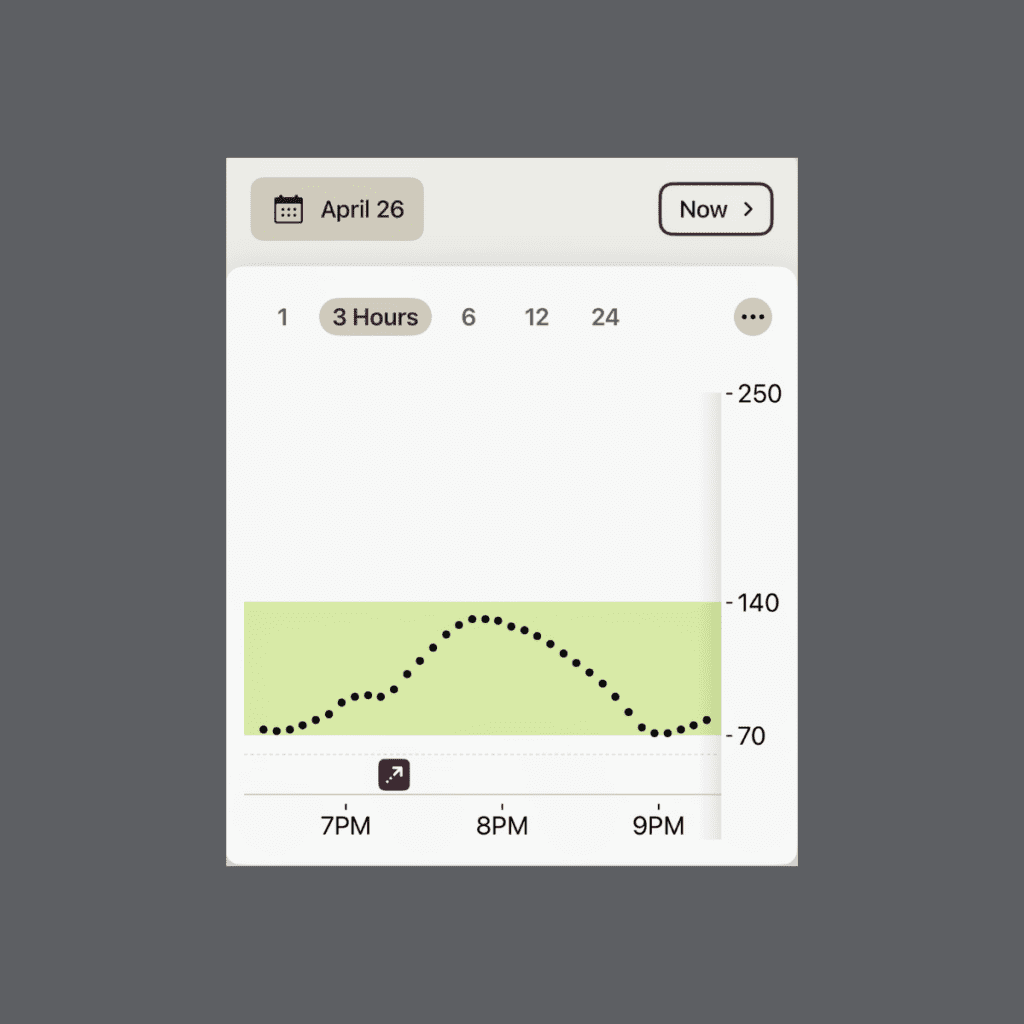
Blood Sugar Results:
- Peak glucose: 131 mg/dL at 7:49pm
- Return to baseline: 49 minutes → 97 mg/dL at 8:38pm
Key Insight:
Despite containing starchy potatoes, my blood sugar stayed well below the upper limit of the healthy range (140 mg/dL), though it rose somewhat more quickly than with other meals.
Test #4: Overnight Oats with Berries and Seeds
Meal Description:
My overnight oats contained Bob’s Red Mill protein oats, cinnamon, cardamom, amla powder, raw unsalted pumpkin seeds, raw cacao nibs, goji berries, unsweetened soy milk, organic frozen blackberries, and organic frozen dark sweet cherries. I topped it with freshly ground flax seeds for omega-3 fatty acids.
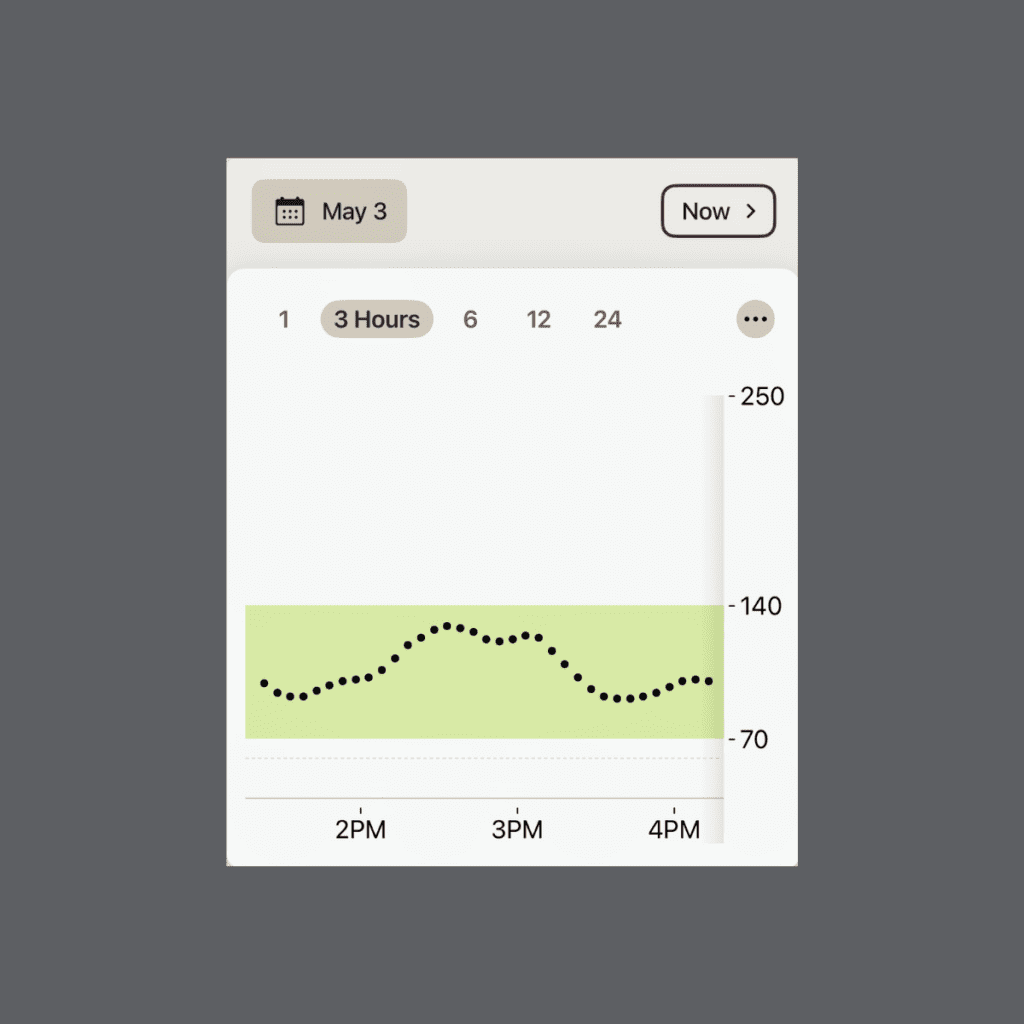
Blood Sugar Results:
- Peak glucose: 129 mg/dL at 2:33pm
- Return to baseline: 55 minutes → 96 mg/dL at 3:28pm
Key Insight:
Oats are not our enemy. Not only did my blood sugar stay well within range, but it also returned to baseline within 1 hour.
Test #5: Refried Black Beans on Multi-Seed English Muffin Plus Dessert
Meal Description:
This meal featured oil-free organic refried black beans, radishes, cherry tomatoes, Yellow Bird sriracha sauce, Bragg’s nutritional yeast, and raw arugula on a toasted Pacha bread multi-seed english muffin.
About 30 minutes later, I ate a bag of Smash Foods choc peanut butter & raspberry jam bites. I seek out healthy(er) desserts to satisfy my evening sweet tooth.
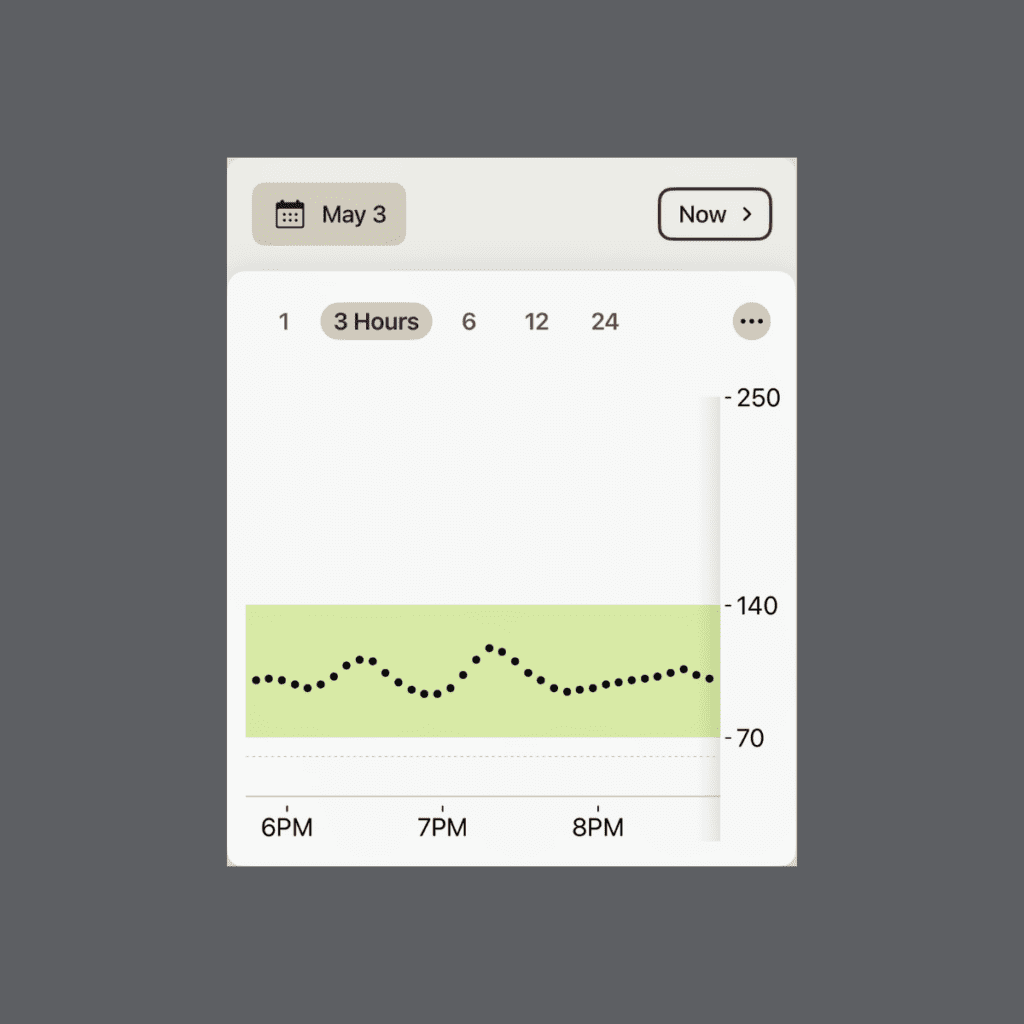
Blood Sugar Results (1st peak – black beans & bread):
- Peak glucose: 111 mg/dL at 6:28pm
- Return to baseline: 15 minutes → 99 mg/dL at 6:43pm
Blood Sugar Results (2nd peak – Smash Foods jam bites):
- Peak glucose: 117 mg/dL at 7:18pm
- Return to baseline: 25 minutes → 96 mg/dL at 7:43pm
Key Insight:
Both the bread-based meal and the sweet treat caused minimal blood sugar impact, with rapid returns to baseline both times.
Neither the Pacha bread nor the Smash Foods jam bites contain heavily processed ingredients, commonly found in other breads and desserts.
The Bottom Line
Diabetes is a serious issue in the United States and other wealthy countries, affecting approximately 37.3 million Americans (11.3% of the population). There are conflicting messages about food and blood sugar coming at us from all sides, particularly on social media.
A reductionist view of health, where a single food or single ingredient is blamed for a condition, is not consistent with the complex functioning of our body’s systems. My CGM experiment demonstrates that whole food carbohydrates, when eaten as part of balanced meals, do not cause problematic blood sugar spikes in a healthy individual.
I’ll wrap this CGM experiment series up with a final post next week on other lifestyle factors you should be aware of for getting to and maintaining healthy blood sugar levels.
Your Turn
How do you navigate the sometimes contradictory world of nutrition advice? What principles guide your food choices? Join the conversation in the comments below.
Thanks for reading!
Like this post? The newsletter is the blog, plus. Subscribe to You Are What You Read — one email a month on redefining your Next 50. Only what works.
References & Additional Reading
Blood Glucose Test
What Should Your Glucose Levels Be? The 2024 Levels Guide to Healthy Blood Sugar Ranges
This post does not constitute medical advice. Please consult with your healthcare provider regarding your specific health needs.