


Read time: 5 minutes
The zinc oxide in your sunscreen protects your skin from harmful UVA and UVB radiation. But here’s what most people don’t realize: the antioxidants in fruits and vegetables create an internal shield that works from the inside out, absorbing UV light and neutralizing the free radicals that cause sun damage.
For optimal protection, you need both.
My Sun-Soaked Past (And Why My Skin Defies the Odds)
Summers as a kid were spent at the pool. As a teen, beach vacations meant marathon tanning sessions. I baked in the sun for over a decade from my teenage years through my 20s—something that was not only normal but celebrated in the 80s and early 90s.
You’d think it would be a minor miracle that I don’t have more wrinkles given how much time I spent turning myself into human leather. There may be some genetics involved, but I’ll argue the most significant factor is lifestyle—specifically, what I’ve been eating for the past two decades.

The Missing Piece in Sun Protection
You already know that antioxidants in fruits and vegetables have anti-aging benefits, from reducing wrinkles to protecting against cognitive decline. So why isn’t every dermatologist talking about nutrition alongside SPF recommendations?
The answer lies in medical training: limited education on prevention and nutrition, strong focus on treatment and medication, and the reality that products generate additional revenue streams.
Meanwhile, the research is clear on the benefits of plants for skin health.
How Antioxidants Create Internal Sun Protection
Antioxidants are your body’s internal sunscreen system. Here’s how they work:
Neutralize Free Radicals: UV exposure creates unstable molecules that damage skin cells. Antioxidants stabilize these before they can cause harm.
Absorb UV Light: Certain plant compounds absorb UV radiation before it penetrates deeper skin layers.
Reduce Inflammation: UV exposure triggers inflammatory responses. Antioxidants calm this reaction, minimizing damage.
Protect DNA: Perhaps most importantly, antioxidants help prevent the DNA damage that can lead to skin cancer and accelerated aging.
As one comprehensive review noted:
“Phenolic compounds, ascorbic acid and carotenoids, derived from different plant species, are able to protect the skin by preventing UV penetration, reducing inflammation and oxidative stress, and influencing several survival signalling pathways.”
Your Sun Protection Grocery List
Here are the heavy hitters when it comes to skin-protecting nutrients:
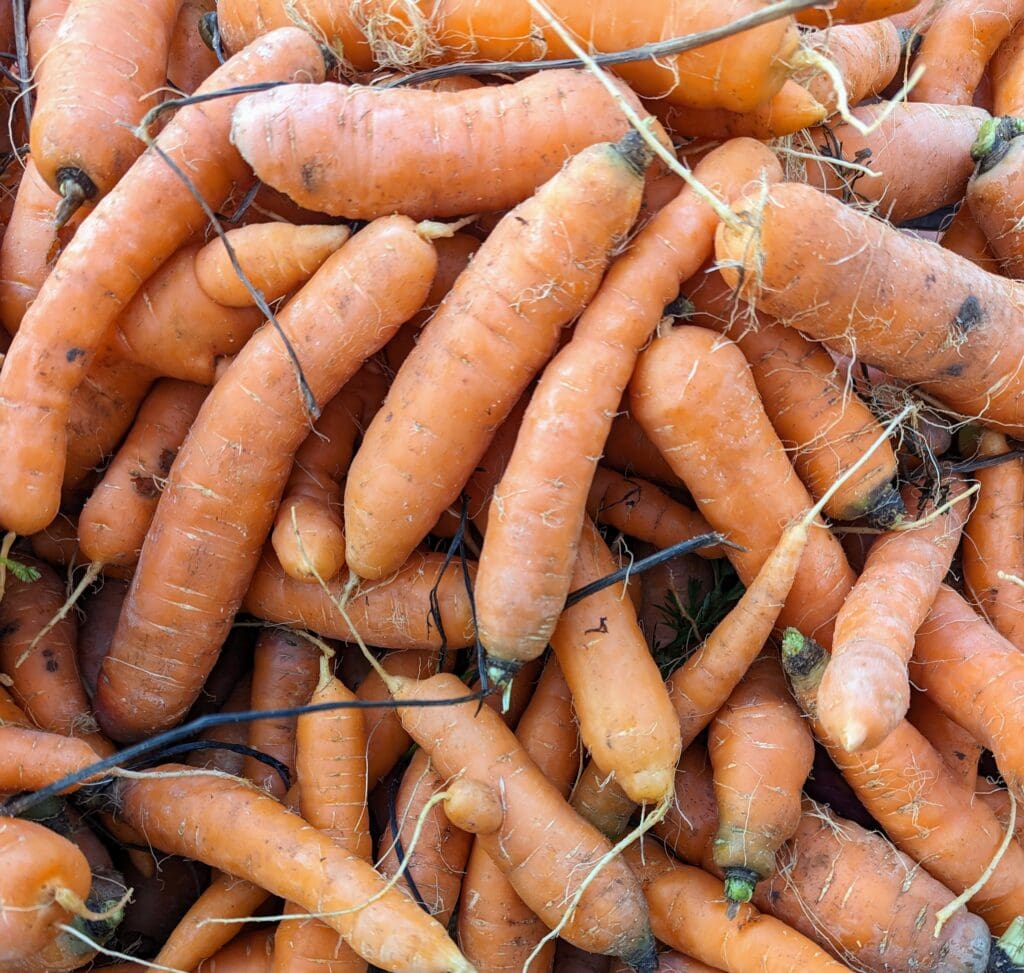
Carotenoids (carrots, sweet potatoes, tomatoes): These orange and red pigments absorb UV light and neutralize free radicals with remarkable efficiency.
Vitamin C (citrus fruits, red bell peppers, broccoli): Protects against sun damage while supporting collagen production for skin repair and resilience.
Vitamin E (avocados, nuts, seeds): May help protect against skin cancer and promote healing of existing damage.
Polyphenols (blueberries, blackberries, plums, cherries, cloves, star anise, turmeric, cinnamon, ginger, cumin): Powerful antioxidant and anti-inflammatory compounds that work together to protect skin.

The Sunshine Paradox
Here’s where it gets interesting: staying out of the sun entirely isn’t the answer when the temperature is reasonable. Sunshine provides too many health benefits to avoid completely—vitamin D production, improved sleep, lower blood pressure, immune system support, mood enhancement, and stress reduction.
The goal isn’t sun avoidance. It’s strategic sun exposure combined with comprehensive protection.
Beyond Topical: Building Internal Resilience
This internal approach to sun protection represents a fundamental shift in thinking. Instead of relying solely on external barriers, you’re building cellular resilience from within. You’re giving your skin the tools it needs to handle UV exposure more effectively.
This doesn’t replace sunscreen—it amplifies its effectiveness while providing benefits that last 24/7, not just when you remember to reapply.
The evidence is clear: your fork might be the most underrated tool in your sun protection arsenal. Use it wisely, and your skin will thank you for decades to come.
Building internal resilience through nutrition is the foundation of optimal health. Quality sleep—another critical pillar of health—also plays a vital role in skin repair and overall cellular recovery. If you’re looking to optimize your sleep for better health and recovery, check out my comprehensive Sleep by Design guide for 14 evidence-based strategies to improve your energy, mental clarity, and resilience.
Have you noticed a difference in your skin since adding more antioxidant-rich foods to your diet? I’d love to hear about your experience in the comments.
Thanks for reading!
Like this post? The newsletter is the blog, plus. Subscribe to You Are What You Read — one email a month on redefining your Next 50. Only what works.
References & Additional Reading
Antioxidants and skin photoprotection: https://pmc.ncbi.nlm.nih.gov/articles/PMC6098906/
Role of ingestible carotenoids in skin protection (clinical evidence review): https://pubmed.ncbi.nlm.nih.gov/33955073/
Topical vitamin C and skin photoprotection mechanisms: https://www.ncbi.nlm.nih.gov/pmc/articles/PMC5605218/
Image credit: Photo by TMS Sam
This post does not constitute medical advice. Please consult with your healthcare provider regarding your specific health needs.